
Nov 9, 2026
How long can a container office last
A well-designed container office typically lasts 15 to 30 years, and some units last longer with steady care. The range depends on the steel shell, corrosion protection, insulation, foundation, climate, and how often the unit moves. A new, purpose-built container office usually gives more predictable results than a converted used box. Coastal air, standing water, weak welds, and poor ventilation shorten that life. Regular inspections and quick repairs extend it. I wrote this guide for project managers, rental fleet owners, and buyers who want to plan service life before they place an order.
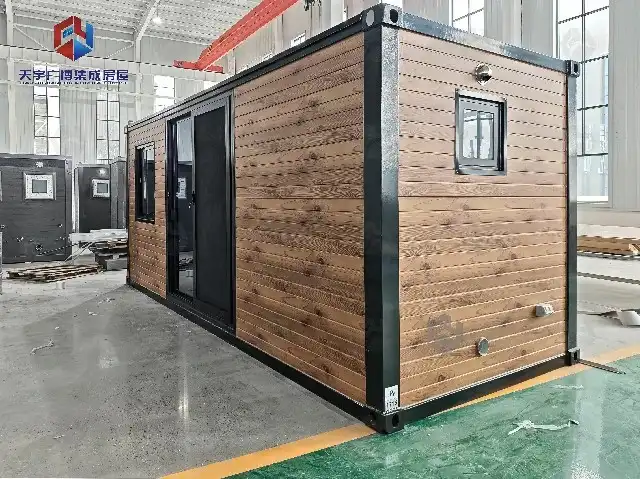

How Long a Container Office Typically Lasts?
The Realistic Lifespan Range
If I build a good container office and keep it up to date, it should last between 15 and 30 years. The steel body is often the part that lasts the longest. ISO 1496-1 defines and tests general-purpose freight containers. Most shipping containers are made of steel that doesn't rust. The picture changes because of a change at work. Once the cutting, welding, insulation, and wiring begin, the machine must be able to keep water out from both the inside and the outside. The 15–30 year range is just a guess, not a promise. If the spot isn't well taken care of, the result could go either way.
New Units, Used Units, and Rental Fleets
A brand-new unit that was made just for the job has record welds, known steel specs, and a clean history. People who buy used containers often can't tell what's inside because the floors are worn and there is rust that is hidden by old paint. There are too many unknowns to say how long it will last. Rental fleets are another thing. A unit that moves from camp to camp every year is harder to move, lift, and set up than a unit that stays in one place. That the building is good is even more important if you rent offices to project teams, since the frame, doors, locks, and power lines are checked every time they are moved.
Comparing With Traditional and Modular Buildings
You can create this kind of office building in more ways and it will last longer, but it costs more and takes longer to finish. It looks more like a regular building and has more space inside if it is bigger. A container office is quick, safe, and easy to move. This makes it a great choice for projects that are spread out or being done in steps. Cost over time doesn't always work in its favor. In the long run, higher energy and replacement costs may be hidden by a low price. Before choosing between these two options, you should look at the total cost of ownership, which includes shipping, setting up, maintenance, moving, and the value at which it can be sold again.
What Shapes the Service Life of a Container Office
Steel, Welds, and Corrosion Protection
Things that last depend on how good the steel and coating are. It doesn't matter what grade of steel you use; what you put on top of it is just as important. The roof edges, floor frames, corners, cut-outs, and service holes are the places you need to pay the most attention. ISO 12944 says that places are ranked by how damaging they are. At the top of the list are coastal and industrial areas. When a unit is near salt air, it needs a stronger coating than when it is in the middle of the country in a dry yard. Make sure you know what kind of steel it is, how it's coated, and how the cut holes are handled before you agree to the plan.
Climate and Site Conditions
Things change because of the weather. Hot weather, heavy rain, snow, and strong sunlight can hurt a container office in different ways. Being in a hot desert and getting hit by sand can hurt air conditioners and seals. Most of the problems that come up when it snows are with roof load and condensation. Salt and humidity hurt paint on the Gulf Coast. It's also important to know the ground. If you put the unit on wet or bumpy ground, it might drop, twist, and water will collect below. Before I buy an office, I always ask the seller about the weather and the condition of the ground. This is because in two different places, the same office can age in very different ways.
Interior Systems and Foundations
People who own cars often fix steel parts inside their cars long before they break. ASHRAE service-life statistics shows that the average life of many packed and split air conditioners is about 15 years. Different things like stairs, windows, lines, and pipes break down at different times. Make plans for these new ones and make sure they are simple to get to. The same care should be given to the base. The frame won't bend if the base is level, has good drainage, and is fully anchored. The floor won't get wet either. If the inside and base are well thought out, the building will last a very long time.
Maintenance, Warning Signs, and Compliance
A Simple Inspection Routine
Taking care of things before they break costs less than fixing them when they do. I believe you should walk around your house at least twice a year and again after a storm or a move. There shouldn't be any ponds on the roof, cracks in the seals, rust on the floor frame, or clogs in the drains. Clean the air conditioner filters and look for condensation on the inside. Also, make sure the power switch works. You should get rid of any rust, let the surface dry, and then cover the steel with the right coat and finish. Once you're done moving, check to see if the frame is bent, the doors are out of place, and the seals are broken. Keeping a short note of each check helps you quickly find trends.
Warning Signs That Shorten Service Life
Bad specifications, not the idea of a container itself, are what lead to most early mistakes. Some common reasons are units that aren't insulated when it's very hot or cold, not enough air flow, big holes that aren't reinforced, and air conditioning that's too small. If you put units on wet ground or buy used containers without a condition report, you're taking a bigger risk. When it comes to the supplier, watch out for unclear steel grades, poorly completed welds, missing electrical documents, incomplete drawings, and unclear warranty exclusions. The unit's life is cut short by things like roof leaks, clogged vents, not changing the filters, being too full, and moving it the wrong way. It usually costs a lot more to fix one of these late than to find it early.
Permits and Documents
Do not believe that a temporary container office does not need permission because it is only there for a short time. The International Building Code says that a building is only temporary if it is there for less than 180 days. If the temporary building is bigger, you might still need a permit. The needs can change depending on the area, the number of people living there, the length of the project, and the utility connections.
Included are calculations for the structure, the design of the foundation, how well it will stand up to wind and earthquakes, fire safety, accessibility, and electrical approval. Before they start making things, I suggest that buyers check the rules in their area. A good service provider should give you detailed plans of the building, information about how well it will hold up in fires, step-by-step instructions for installation, and quality records that your local tester can look over.
Choosing a Container Office for Long-Term Use
Match the Specification to the Project Length
First, think about how long you'll need the office. The most important things for stays of up to five years are quick delivery, a basic fit-out that meets standards, and being able to move in without much trouble. Every five to fifteen years, it's worth it to get better insulation, finishes that last, air conditioning that works, and protection against corrosion. It's time for new or custom-built units after fifteen years, as well as an engineered base, high-performance insulation, local approvals, and easy entry to change systems inside. The total cost can go down if the starting standard is better because it cuts down on repairs, energy use, and downtime. Tell the supplier where you live, what the weather is like, how many people live there, and how long you expect the service to last so that the design fits your needs.
Single-Storey and Two-Storey Layouts
A 20-foot office is big enough for someone in charge of security or a job site. A 40-foot or high-cube unit gives teams more room to work and meet. They make more floor space with a small size when stacked or linked, which is useful on job sites and camps with lots of people. Also, they need well-thought-out links, joints that don't leak, structural support, fire planning, and safe escape paths. TYGB lists a two-story flat-pack container as an office building. Tent desks, site offices, and camp office spaces will be set up in the building. Print out plans that show where the utilities will be, how the loads will go, and how people will be able to get to the stairs, no matter what layout you pick.
Checking a Supplier Before You Order
You can learn a lot about how long a container office will last from its papers. Get hard copies of the floor plans, lists of materials, test reports, installation guides, and warranty terms. Find out how long the product will take to make, how it will be shipped by sea, and if there are any spare parts you can get. Check out how much each deal costs all together, not just how much each item costs. You should include the cost of shipping, customs, getting the site ready, installation, upkeep, and moving in your estimate. Check with the company about how they handle repeat orders and whether replacement parts are always on hand if you want to buy a lot of offices to rent out.
How TYGB Builds Container Offices for Long Service
Structure and Weather Protection
This company is called TYGB and is based in Hebei, China. A group of us who work on research and development plan and build modular container homes. Our units have bigger uprights and stronger supports so they can hold more weight. With cast-iron corner joints at the top and bottom, they won't bend when they're being moved. We waterproof the walls and floors with our own systems. There is a clear height of 2.4 m inside, and the design still works with standard container loading limits, which means that shipments don't need open-top or flat-rack containers. Our products are made to withstand Grade 11 wind and Grade 9 earthquakes and have a Class A fire rating.
Testing and Certifications
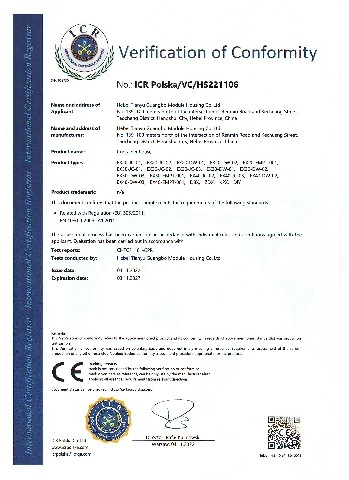
You should test something before saying it will last. Our goods have been tried to make sure they can withstand wind, earthquakes, fire, sound insulation, and water. We have proof from SGS, Intertek, and CNAS. Some of the management certificates we have are ISO 9001, ISO 14001, and ISO 45001. We have to follow ASTM and UL rules to work in North America. CE, SAA, and Watermark are some of the licenses we have for other areas. You can weld in one workshop and coat or spray in another. There are also two automatic production lines and CNC machines for making and bending. You can either go to the factory or a model home in person or via video call.
Delivery, Installation, and Support
It takes four to five weeks to make, but it depends on how many orders we have. We can make large quantities of something or a few items at a time. We ship items in shock-resistant ocean-grade shipping, and we offer installation directions, lists of accessories, certificates, and test results in more than one language. Our techs help with installation from away by using web help and lessons with pictures and videos. The frame is covered for 36 months, and parts that get worn out are covered for 10 months. We also have lists of spare parts and repair instructions, and you can always get original replacement parts from us. With that help, a container office can keep running after it has been set up the first time.
Conclusion
A container office is most likely to last between 15 and 30 years, but this relies on the building's features, where it is placed, and how well it is taken care of. A brand-new unit that was made just for the job is more likely to last longer than a used conversion. Corrosion protection, weld quality, insulation, drains, and supports can all affect how long the structure lasts. These needs change based on the ground and the weather, and the car's air conditioner and other systems often break down before the frame does. It lasts longer if you check it often, fix rust and roof damage quickly, and check it after every move. Another thing that is important is to have test records, models, and permits. Price alone isn't enough to choose a unit. You should also think about the length of the job, the plan, and the total cost of ownership.
FAQ
Q1: Can a container office last more than 30 years?
A: Yes, it can if it drains well, doesn't rust, and is maintained regularly. At that point, it's likely that systems inside, like air conditioners, will need to be changed.
Q2: Is a new or used container office the better choice?
A: You can get a better idea of how long new units will last since their steel, welds, and finishes have already been put to the test. New units may cost more than used ones at first, but I think you should get an inspection report on them first.
Q3: What affects the price of a container office?
A: How much it costs depends on its size, insulation, air conditioning, customization, shipping, installation, certifications, and the rules in your area. The price isn't just based on how big the container is.
Plan Your Next Container Office With TYGB
Are you setting up a workspace for a camp, site, or project? The company TYGB makes container offices and can look at your location, the number of units you need, the floor plan, the weather, and the shipping schedule. We make floor plans, 3D models, material lists, and quotes for you to look over and agree to. If you want to talk about your idea, you can email paulpan@tygbhouse.com.
References
1. International Organization for Standardization, ISO 12944-2: Paints and Varnishes – Corrosion Protection of Steel Structures by Protective Paint Systems, 2017
2. International Organization for Standardization, ISO 1496-1: Series 1 Freight Containers – Specification and Testing, 2013
3. International Code Council, International Building Code, 2021
4. ASHRAE, ASHRAE Handbook – HVAC Applications, 2019
5. Modular Building Institute, Permanent Modular Construction Report, 2021
6. American Society of Civil Engineers, ASCE 7-22: Minimum Design Loads and Associated Criteria for Buildings and Other Structures, 2022
Online Message
YOU MAY LIKE